Categoria: Product Reviews

Browse evaluations of physical products, presented separately from our informational articles. Reviews aim to explain relevant features and available information. They are not medical endorsements, and some links may earn Empower Finds a commission at no extra cost to you.

  • Bleeding Gums, Bad Breath? The Real Cause

    Bleeding Gums, Bad Breath? The Real Cause

    Bleeding Gums, Bad Breath, Sensitivity? The Oral Microbiome Truth
    Sponsored Content — This article may contain affiliate links. EmpowerFinds may earn a commission at no additional cost to you.

    Oral Health & Microbiome

    Thousands report the same frustration every day

    If your gums bleed, your breath won’t stay fresh, and your teeth still ache — the problem might not be your brushing habits.

    You brush, you floss, you rinse — and the sensitivity, the bleeding, the nagging worry about your breath keep coming back anyway. Discover what science is learning about the oral microbiome and why balancing it may matter more than scrubbing harder.

    EmpowerFinds Wellness Editorial Updated September 2026 8-minute read
    See the Full Solution Now Free to read · No signup required

    ↓ Keep reading to understand what’s really behind your oral discomfort

    Important: Occasional gum sensitivity after a dental cleaning is normal. But recurring bleeding when you floss, breath that returns minutes after mouthwash, and sensitivity that flares with every cold drink deserve attention — and often point to a deeper imbalance, not a “lack of brushing effort.”

    The Cycle Nobody Warned You About

    If you’re reading this, you probably recognize at least one of these situations.

    • You brush carefully and still see pink in the sink when you floss.
    • A sip of cold water sends a sharp pang through a tooth you swore was fine last year.
    • You’ve tried mouthwash after mouthwash, and your breath still fades by mid-morning.
    • Someone tells you to “just brush better,” as if the problem were effort and not biology.
    Woman checking her gums in the mirror, concerned about bleeding and sensitivity despite good brushing habits Bleeding gums and recurring sensitivity are common signs of an imbalanced oral microbiome — not lack of effort.

    “Brush harder” is one of the most unhelpful pieces of advice out there. In fact, aggressive brushing can make sensitivity worse by wearing down enamel and irritating already inflamed gum tissue. The real story is happening at a microscopic level, inside an ecosystem most people never think about: the oral microbiome.

    Just like the gut, your mouth is home to billions of bacteria — some beneficial, some harmful. When that balance tips toward harmful strains, the visible results are the ones you already know too well: inflamed gums, persistent bad breath, and heightened sensitivity.

    Why It’s Not About Brushing Harder

    For decades, oral care marketing focused almost entirely on mechanical cleaning — brush more, floss more, rinse more. But that approach ignores a crucial detail: plaque and inflammation aren’t just about leftover food particles. They’re about which bacterial populations are thriving in your mouth right now.

    When odor-causing and inflammation-triggering bacteria outcompete the beneficial strains that naturally exist in a healthy mouth, the result is a mouth that feels “clean” for an hour after brushing — and then slides right back into the same old problems. That’s why so many people feel like they’re “fighting a losing battle” with their own mouths.

    Think of the oral cavity as a garden. Aggressive antiseptic rinses act like scorched earth — they wipe out everything, good and bad alike, leaving space for whichever bacteria regrow fastest. Researchers studying oral probiotics are exploring whether reseeding that garden with beneficial strains helps it stay balanced longer.

    — Simplified explanation of the oral microbiome rebalancing model studied in dental research

    Want to understand the natural probiotic approach being studied to target exactly these points — gum health, fresh breath, and a balanced oral microbiome?

    Discover the Full Formula

    The Microbiome Pillars Studied by Science

    Researchers studying oral health keep circling back to a specific set of biological mechanisms tied to the mouth’s bacterial ecosystem. None works alone — but together, they explain why “just brush and rinse” so often falls short for people with persistent issues.

    Area What research observes Commonly studied strains/compounds
    Fresh breath Certain strains help reduce volatile sulfur compounds linked to bad breath Streptococcus salivarius K12
    Gum tissue support Probiotic activity may help modulate the inflammatory response in gum tissue Lactobacillus reuteri
    Bacterial balance Beneficial strains compete with harmful bacteria for space and nutrients Lactobacillus paracasei, prebiotic inulin
    Enamel & mineral support Minerals contribute to the broader mineral balance associated with tooth structure Zinc, Tricalcium phosphate

    Combining these pillars is what sets a complete oral-microbiome approach apart from a single-ingredient rinse. On their own, several of these strains already have published research behind them — combined into a daily routine, the potential support is broader.

    Close-up of dental probiotic chewable tablets, representing natural oral microbiome support ingredients Specific probiotic strains, like S. salivarius K12 and L. reuteri, are among the most studied for oral microbiome balance.

    A practical way to track your own pattern

    Before making any changes to your routine, it can help to note a few things for a few days:

    • Does your breath return quickly after brushing or using mouthwash?
    • Do your gums bleed even with a soft-bristle brush and gentle technique?
    • Is sensitivity triggered by specific temperatures, or has it become more constant?
    • Have you already tried multiple toothpaste “for sensitive teeth” formulas with only short-term relief?

    “I’ve Already Tried Everything, and Nothing Worked”

    This is the most common objection — and it’s a fair one. Many people have already gone through whitening toothpaste, antiseptic mouthwash, and sensitivity gels with no lasting results.

    Part of the explanation lies in what those products actually do. Most rinses and pastes act only on the surface — killing bacteria on contact, without helping repopulate the mouth with beneficial strains that keep harmful bacteria in check afterward. That’s why the same symptoms tend to resurface within hours.

    That’s why newer approaches combine targeted probiotic strains, prebiotics, and supportive minerals into a single daily chewable — designed to work with the mouth’s natural ecosystem, rather than temporarily sterilizing it.

    Featured

    Dentavive — Oral Probiotic Chewables

    A formula designed to support the pillars above — in a simple chewable format, with no need for complicated multi-step routines.

    • 6-strain probiotic blend, including S. salivarius K12 & L. reuteri
    • Chewable format — just a couple of tablets a day
    • Plant-based, vegan-friendly formula
    • Made following current manufacturing guidelines
    • 60-day satisfaction guarantee
    Check Availability & Official Pricing

    What Users Report

    ★★★★★

    “By around week three my gums weren’t bleeding when I flossed anymore. That had never happened before, even with the ‘sensitive gums’ toothpaste I’d used for years.”

    Renata S., 47

    ★★★★★

    “I can’t tell you if it’s the formula or the daily habit, but I stopped worrying about my breath fading by lunchtime after about a month.”

    Carlos M., 39

    ★★★★★

    “What I didn’t expect was the effect on sensitivity. I started using it just for bad breath, but drinking cold water stopped being a wince-worthy moment.”

    Fernanda L., 52

    Individual testimonials. These are personal experiences and are not typical or guaranteed. Results vary from person to person.

    A Realistic Results Timeline

    Anyone promising overnight results should be treated with suspicion. If you decide to try a nutritional approach to oral care, it’s worth being honest with yourself about pacing:

    • Weeks 1–2: little to no noticeable change — this is an adjustment phase for the oral microbiome.
    • Weeks 2–3: most reports mention fresher-feeling breath first, before other changes.
    • Weeks 4–6: less gum sensitivity and reduced bleeding during flossing.
    • Weeks 8–12: this is where the strongest reports about overall gum comfort appear — which is exactly why guarantee periods usually cover this window.

    Buying one bottle and stopping after two weeks doesn’t give the routine a fair test. That’s why multi-bottle kits are the most commonly chosen option among people who’ve already tried the formula.

    What to Consider Before Choosing a Supplement

    Oral care supplements vary widely in strains, dosing, quality control, and suitability for your case. Before choosing any product, check for:

    • A fully disclosed ingredient and strain list with clear usage instructions.
    • Manufacturing that follows current quality and safety guidelines.
    • A genuine, documented refund policy with accessible customer support.
    • Honest language — “supports” and “helps maintain,” never “cures” or “guarantees results.”

    If you have diagnosed periodontal disease, advanced gum recession, persistent oral pain, or are pregnant, breastfeeding, or immunocompromised, talk to a dentist or qualified healthcare professional before starting any supplement. Supplements should complement — never replace — professional dental care and regular checkups.

    Featured Option

    You’ve Already Tried Everything. Maybe It Was the Missing Microbiome Piece.

    Dentavive is presented as a nutritional supplement option for adults interested in daily oral microbiome support. Review the official product information, full ingredient list, usage instructions, pricing, and guarantee terms before making a decision.

    Visit the Official Dentavive Page

    Secure checkout available on the official website. This is a sponsored recommendation. Dentavive is not intended to diagnose, treat, cure, or prevent any disease. Individual experiences vary.

    When Should You Seek Dental Guidance?

    See a dentist promptly if you notice gum recession, loose teeth, persistent pain, pus, or bleeding that doesn’t improve — these can be signs of advanced periodontal disease requiring professional treatment.

    Seek medical or dental care if you have pre-existing conditions such as diabetes, are on ongoing medication that affects healing, or are preparing for a dental procedure, before starting any new supplement.

    A Practical Next Step

    Start by tracking your own gum, breath, and sensitivity patterns throughout the day. Assess the reversible factors — brushing technique, product choice, hydration, and diet — with professional support when needed. If you’re also considering a nutritional option, apply the same discipline: read the ingredients, understand the limitations, check for interactions, and give the routine a fair evaluation window — at least 8 to 12 weeks.

    Learn More

    Review the Official Dentavive Details

    Explore the formulation, probiotic strains, usage instructions, guarantee, and current terms on the official page to decide whether this option fits your personal oral care goals.

    See the Official Product Details

    Affiliate link. EmpowerFinds may receive compensation if a reader makes a purchase through this link.

    References

    1. National Center for Biotechnology Information (PubMed). Oral probiotics and gum health outcomes.
    2. National Institutes of Health. Streptococcus salivarius K12 and halitosis.
    3. Mayo Clinic. Gum disease: symptoms, causes, and prevention.
    4. American Dental Association. Probiotics and oral health: what the evidence shows.

    Learn more about this oral microbiome support option View Details
  • Why You’re Still Hungry: The Metabolism Truth

    Why You’re Still Hungry: The Metabolism Truth

    Why You're Still Hungry: The Metabolism Truth
    Sponsored Content — This article may contain affiliate links. EmpowerFinds may earn a commission at no additional cost to you.

    Metabolism & Appetite Control

    Thousands have already reported the same frustration

    If you're dieting and still hungry all day, the problem might not be willpower — it's your metabolism.

    Cutting calories, training hard, counting macros — and the hunger still won't quit while your energy crashes every afternoon? Discover what science really says about glucose, ketosis, and why your body might be "wired" to store fat instead of burning it.

    EmpowerFinds Wellness Editorial Updated September 2026 8-minute read
    See the Full Solution Now Free to read · No signup required

    ↓ Keep reading to understand what's stalling your metabolism

    Important: Occasional hunger after a light meal is normal. But constant hunger, recurring energy crashes, and persistent difficulty losing weight despite diet and exercise deserve attention — and often point to a measurable metabolic imbalance, not a "lack of discipline."

    The Cycle Nobody Warned You About

    If you're reading this, you probably recognize at least one of these situations.

    • You eat dinner early and "the right way" — and still wake up starving, or fall asleep thinking about food.
    • At 3 PM, your energy simply vanishes and cravings for sugar or carbs become unstoppable.
    • You've already cut calories, but the scale won't budge — or it creeps right back up.
    • Someone tells you "just have more discipline," as if the problem were willpower and not biology.
    Woman feeling hungry and reaching for unhealthy snacks despite trying to diet Sugar cravings and constant hunger are common signs of blood-sugar imbalance — not lack of discipline.

    "Willpower" is the most unfair explanation for this problem. When blood sugar spikes and crashes abruptly, the body releases hunger signals long before you actually need energy. That isn't weakness — it's physiology.

    And here's the worst part: traditional restrictive diets often make this cycle worse, because they don't address the root cause — how your body processes glucose, fat, and electrolytes throughout the day.

    Why It's Not Willpower

    For years, the weight-loss market focused solely on calorie deficits — "eat less, move more." But that logic ignores a crucial detail: metabolism isn't linear, and how the body stores fat depends directly on the insulin response after each meal.

    When carbohydrates are absorbed too quickly, blood glucose spikes sharply. The pancreas responds with an insulin surge — and high insulin is, literally, a biological signal to store fat, not burn it. That's why so many people diet and feel like they're "fighting their own body."

    Think of metabolism as a thermostat. When glucose enters the bloodstream too fast, the thermostat triggers "energy storage mode." The goal of a smart metabolic approach is to slow that entry down — so the body has time to use the energy instead of stockpiling it.

    — Simplified explanation of the post-meal glycemic response model studied in metabolic literature

    Want to understand the natural combination being studied to target exactly these points — glycemic control, ketosis, and appetite?

    Discover the Full Formula

    The Four Pillars Studied by Science

    Researchers studying metabolic and appetite control keep coming back to a specific set of biological mechanisms. None works alone — but together, they explain why "just eat less" approaches so often disappoint.

    System What research observes Commonly studied compounds
    Glycemic control Acetic acid slows carbohydrate breakdown, reducing post-meal glucose spikes Apple Cider Vinegar (ACV)
    Fat utilization Exogenous ketones signal the body to use stored fat as fuel Calcium, Magnesium & Sodium BHB
    Hydration & energy Electrolytes help maintain steady energy and prevent fatigue common on restrictive diets Sodium, Magnesium, Calcium
    Digestion & satiety More efficient digestion contributes to prolonged feelings of fullness Acetic acid + minerals

    Combining these four pillars is what sets a complete metabolic approach apart from a simple "apple cider vinegar supplement." On their own, each compound already has research support — combined, the potential effect is multiplied.

    Fresh apples and a bottle of apple cider vinegar on a wooden table, representing natural metabolism support ingredients Apple cider vinegar is one of the most studied natural compounds for post-meal glucose response.

    A practical way to track your own pattern

    Before making any changes to your routine, it can help to note a few things for a few days:

    • What times does hunger hit hardest?
    • Do you feel an energy crash after carb-heavy meals?
    • Do sugar cravings increase in the afternoon or at night?
    • Have you already tried restrictive diets that "worked" for a few weeks and then stopped working?

    "I've Already Tried Everything, and Nothing Worked"

    This is the most common objection — and it's a fair one. Many people have already gone through standalone ACV capsules, detox teas, and restrictive diets with no lasting results.

    Part of the explanation lies in how those products are formulated. Standalone ACV capsules, without BHB salts and electrolytes, act on only one front — the glycemic one — without supporting fat utilization as fuel or replacing electrolytes lost on low-carb diets, which leads to the classic "plateau fatigue."

    That's why newer formulas combine ACV + BHB + electrolytes into a single daily gummy — easier to stick with than swallowing multiple capsules, while targeting multiple metabolic fronts at once.

    Featured

    JellyTide — ACV + BHB Gummies

    A formula designed to target the four pillars above — in a gummy format, with no need to swallow large capsules or follow complicated protocols.

    • Apple Cider Vinegar + Calcium, Magnesium & Sodium BHB
    • Gummy format — just 1 gummy a day
    • No synthetic stimulants, no GMOs, vegan
    • Made in an FDA-registered, GMP-certified facility
    • 60-day satisfaction guarantee
    Check Availability & Official Pricing

    What Users Report

    ★★★★★

    "By around week three I noticed I wasn't thinking about food all the time anymore. That had never happened before, even with other diets."

    Renata S., 47

    ★★★★★

    "I can't tell you if it's the formula or the daily habit, but my afternoon energy crash pretty much disappeared after the first month."

    Carlos M., 39

    ★★★★★

    "What I didn't expect was the effect on digestion. I started using it just for appetite, but the bloated feeling after meals improved a lot."

    Fernanda L., 52

    Individual testimonials. These are personal experiences and are not typical or guaranteed. Results vary from person to person.

    A Realistic Results Timeline

    Anyone promising overnight results should be treated with suspicion. If you decide to try a nutritional approach, it's worth being honest with yourself about pacing:

    • Weeks 1–2: little to no noticeable change — this is an adjustment phase.
    • Weeks 2–3: most reports mention improved energy first, not weight.
    • Weeks 4–6: more controlled appetite and fewer sugar cravings.
    • Weeks 8–12: this is where the strongest weight-management reports appear — which is exactly why the guarantee period usually covers this window.

    Buying one jar and stopping after two weeks doesn't give the protocol a fair test. That's why 2- or 3-jar kits are the most commonly chosen option among people who've already tried the formula.

    What to Consider Before Choosing a Supplement

    Supplements vary widely in ingredients, dosing, quality control, and suitability for your case. Before choosing any product, check for:

    • A fully disclosed ingredient list with clear usage instructions.
    • Manufacturing in a GMP-certified facility.
    • A genuine, documented refund policy with accessible customer support.
    • Honest language — "supports" and "helps maintain," never "cures" or "guarantees results."

    If you take ongoing medication, are pregnant or breastfeeding, have a diagnosed condition (such as kidney issues), or are preparing for a medical procedure, talk to a qualified healthcare professional before starting any supplement. Supplements should complement — never replace — a prescribed treatment plan.

    Featured Option

    You've Already Tried Everything. Maybe It Was the Right Combination That Was Missing.

    JellyTide is presented as a nutritional supplement option for adults interested in daily metabolic support. Review the official product information, full ingredient list, usage instructions, pricing, and guarantee terms before making a decision.

    Visit the Official JellyTide Page

    Secure checkout available on the official website. This is a sponsored recommendation. JellyTide is not intended to diagnose, treat, cure, or prevent any disease. Individual experiences vary.

    When Should You Seek Medical Guidance?

    See a healthcare professional if uncontrolled hunger or energy crashes are accompanied by sudden weight loss or gain, frequent dizziness, heart palpitations, or persistent symptoms that don't improve with lifestyle changes.

    Seek medical care if you have pre-existing conditions such as diabetes or kidney disease, or are on ongoing medication, before starting any new supplement.

    A Practical Next Step

    Start by tracking your own hunger and energy patterns throughout the day. Assess the reversible factors — sleep quality, hydration, meal composition, and stress levels — with professional support when needed. If you're also considering a nutritional option, apply the same discipline: read the ingredients, understand the limitations, check for interactions, and give the protocol a fair evaluation window — at least 8 to 12 weeks.

    Learn More

    Review the Official JellyTide Details

    Explore the formulation, ingredients, usage instructions, guarantee, and current terms on the official page to decide whether this option fits your personal wellness goals.

    See the Official Product Details

    Affiliate link. EmpowerFinds may receive compensation if a reader makes a purchase through this link.

    References

    1. National Center for Biotechnology Information (PubMed). Acetic acid and post-meal glycemic response.
    2. National Institutes of Health. Exogenous ketones and fat metabolism.
    3. Mayo Clinic. Metabolism and weight control: what actually works.
    4. Harvard T.H. Chan School of Public Health. Carbohydrates and blood sugar.
    Learn more about this metabolic support option View Details
  • Diabetes & Nerve Damage: The Hidden Connection

    Diabetes & Nerve Damage: The Hidden Connection

    Diabetes & Nerve Damage: The Hidden Connection Affecting Native American Communities
    Sponsored Content — This article may contain affiliate links. EmpowerFinds may earn a commission at no additional cost to you.

    Diabetes & Nerve Health

    Diabetes affects Native American adults at nearly 3x the national rate

    Diabetes & Nerve Damage: The Hidden Connection Affecting Native American Communities

    That tingling, burning, or numb feeling in your feet and hands might be more than "just getting older." Federal health data show Native American adults face some of the highest diabetes rates in the country — and nerve damage often follows quietly, long before it's diagnosed.

    EmpowerFinds Wellness Editorial Updated September 2026 8-minute read
    See How Nerve Support May Help Free to read · No signup required

    ↓ Keep reading to understand what's really happening inside your body

    Important: This article is educational and does not replace medical advice. If you experience numbness, burning pain, or loss of sensation in your feet or hands, speak with a healthcare professional — nerve damage that goes unmanaged can lead to serious complications, including injuries you may not feel happening.

    Why This Matters More in Native American Communities

    According to the Indian Health Service, American Indian and Alaska Native adults are diagnosed with diabetes at nearly 2.5 to 3 times the rate of non-Hispanic white adults. The CDC confirms this disparity is one of the most persistent health gaps in the country, shaped by a combination of genetics, historical food-access disruption, and limited access to specialized care in many tribal and rural areas.

    Diabetes itself is manageable — but one of its most under-discussed complications, diabetic peripheral neuropathy, tends to progress silently. Because many communities face longer travel distances to specialists, nerve damage is often caught later than it should be, after symptoms have already become disruptive.

    • Up to half of all people with diabetes will experience some form of nerve damage in their lifetime.
    • Early symptoms are frequently dismissed as "just getting older" or ignored altogether.
    • Left unaddressed, numbness can lead to unnoticed injuries and slow-healing wounds.

    What Is Diabetic Nerve Damage?

    Diabetic neuropathy is nerve damage caused by prolonged high blood sugar levels. Elevated glucose injures the walls of the small blood vessels that nourish nerves — especially in the legs and feet — triggering a cascade of uncomfortable symptoms that often start small and build gradually.

    Common early warning signs

    • Tingling or "pins and needles" sensations in the feet or hands
    • Burning or sharp pain, often worse at night
    • Numbness that makes it hard to feel heat, cold, or injury
    • Muscle weakness or loss of balance
    • Increased sensitivity to touch

    Wondering if what you're feeling could be nerve-related?

    Explore the Official Information

    Why Does This Happen?

    Persistently high blood sugar affects nerves in two main ways: it damages the blood vessels that supply oxygen and nutrients to nerve fibers, and it triggers oxidative stress — cellular damage caused by unstable molecules called free radicals. Over time, this combination impairs the nerves' ability to send and receive signals properly, which is why symptoms often start in the extremities and can progress if left unaddressed.

    Factor What happens Where it shows up
    Vascular damage High glucose injures small vessels feeding nerves Feet, hands, lower legs
    Oxidative stress Free radicals accumulate and damage nerve fibers Peripheral nerve endings
    Nutrient depletion B-vitamin deficiency is common in long-term diabetes Whole-body nerve signaling
    Chronic inflammation Ongoing low-grade inflammation compounds nerve stress Systemic

    Why Nerve Support Matters

    Conventional treatments for neuropathy — such as certain prescription medications — often come with side effects like drowsiness or dependency concerns. Because of this, many people managing diabetic nerve discomfort look for additional, natural ways to support nerve health as part of a broader wellness routine, always alongside proper medical guidance from their provider or clinic.

    A note on access: If regular specialist visits are difficult due to distance or availability in your area, ask your primary care provider or IHS clinic about telehealth options for diabetes and nerve-health monitoring. Early management makes the biggest difference.

    What to Look For in a Nerve Support Formula

    Research on nerve health has pointed to several natural compounds that may play a supportive role:

    • Alpha Lipoic Acid — an antioxidant studied for its potential role in reducing oxidative stress on nerves
    • B-Vitamins (B1, B6, B12) — essential nutrients linked to healthy nerve function
    • Corydalis & California Poppy — botanical extracts traditionally used to promote comfort and relaxation
    • Passionflower & Marshmallow Root — plant compounds associated with calming, soothing properties
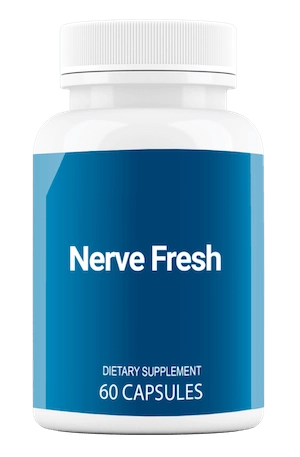
    Featured Nerve Fresh plant-based nerve support capsules bottle with natural botanical ingredients

    Nerve Fresh Plant-Based Nerve Support

    A daily capsule combining researched botanicals with essential nerve-supporting nutrients — designed for people managing everyday nerve discomfort.

    • Alpha Lipoic Acid, B1/B6/B12, Corydalis, California Poppy, Passionflower
    • Simple daily capsule — no injections, no prescriptions
    • Manufactured in a GMP-registered facility · non-GMO
    • Money-back guarantee · discreet shipping
    Check Availability & Official Pricing

    This is the category of ingredients behind formulas like Nerve Fresh, a plant-based nerve support supplement that has gained attention for combining these researched botanicals with essential nerve-supporting nutrients in a single daily capsule.

    ★★★★★

    "I'd tried everything my clinic offered and still couldn't sleep through the burning. Within a few weeks of adding this to my routine alongside my regular treatment, the nights got easier."

    Verified customer feedback — aggregated consumer data

    ★★★★★

    "It didn't happen overnight. It took about two months before I noticed I wasn't thinking about my feet all day."

    Verified customer feedback — aggregated consumer data

    Testimonials reflect individual experiences and are not typical or guaranteed. Results vary.

    A Realistic Expectation Timeline

    • Weeks 1–2: the body begins adjusting; most people notice no dramatic change yet.
    • Weeks 3–4: many report subtle improvements in comfort and sleep quality.
    • Weeks 6–8: more consistent reports of reduced tingling and burning sensations.
    • Days 60–90: aggregated customer feedback shows this is where the most noticeable results are typically reported.

    A Holistic Approach Works Best

    No supplement replaces medical care — but combining proper blood sugar management, a nerve-friendly diet, gentle movement, and targeted nutritional support may give your body the tools it needs to support nerve comfort over time. If nerve discomfort has been holding you back, now may be a good time to learn more about the options available.

    Featured Wellness Option

    Support Your Nerve Health Naturally — Starting Today

    Nerve Fresh is a plant-based nerve support supplement gaining attention across diabetes wellness communities. Review the full ingredient list, usage guidance, pricing, and guarantee on the official website before deciding.

    Visit the Official Nerve Fresh Page

    Sponsored recommendation. Nerve Fresh is not intended to diagnose, treat, cure, or prevent any disease. Individual experiences vary.

    When Should You Seek Medical Care?

    Contact a healthcare professional if you notice numbness, burning, tingling, or weakness that persists, worsens, or affects your balance or ability to feel injuries on your feet.

    Seek urgent medical attention for open sores that won't heal, sudden severe pain, signs of infection, or any rapid change in sensation or mobility.

    A Practical Next Step

    Start with a conversation with your provider or IHS/tribal clinic about your blood sugar management and nerve-health screening. Then, if you're also considering a nutritional option, apply the same discipline: read the ingredients, understand the limits, check for interactions with any medication, and give it a fair evaluation window.

    Learn More

    Review the Official Nerve Fresh Details

    Explore the formulation, ingredients, usage instructions, guarantee, and current terms on the official page to decide whether this option fits your wellness goals.

    See the Official Product Details

    Affiliate link. EmpowerFinds may receive compensation if a reader makes a purchase through this link.

    References

    1. Indian Health Service. Diabetes in American Indians and Alaska Natives — Fact Sheet.
    2. Centers for Disease Control and Prevention. National Diabetes Statistics Report.
    3. National Institute of Diabetes and Digestive and Kidney Diseases. Diabetic Neuropathy — Nerve Damage & Diabetes.
    4. Mayo Clinic. Diabetic Neuropathy: Symptoms and Causes.
    Learn more about this nerve wellness option View Details
  • Ear Ringing With a Normal Hearing Test: Why It Happens

    Ear Ringing With a Normal Hearing Test: Why It Happens

    Ringing in the Ears: Why It Gets Louder in Silence (And What Researchers Now Look At)
    Sponsored Content — This article may contain affiliate links. EmpowerFinds may earn a commission at no additional cost to you.

    Hearing & Nerve Health

    Over 25 million adults report the same symptom

    The ringing isn't coming from your ears — and that may be exactly why nothing has helped so far.

    Millions of adults hear a ring, buzz or hiss that no one else can hear — often with a "normal" hearing test on file. Discover what current research looks at, and why attention has shifted from the ear to the brain.

    EmpowerFinds Wellness Editorial Updated September 2026 9-minute read
    See the Full Discovery Now Free to read · No signup required

    ↓ Keep reading to understand why silence makes it louder

    Important: Brief ringing after loud noise exposure is often temporary. Ringing that is persistent, one-sided, pulsing, worsening, or accompanied by dizziness or sudden hearing loss deserves prompt attention from a qualified healthcare professional.

    The Experience Most People Never Talk About

    If you are reading this, there is a good chance you recognise at least one of these nights.

    • The house is completely silent — and the ringing gets louder.
    • You turn the TV up to "cover" it, and someone asks if you're going deaf.
    • At a restaurant table, everyone laughs — and you smile without catching the joke.
    • A doctor glances at your chart and says the cruellest sentence in modern medicine: "You'll have to learn to live with it."

    Learn to live with it. As though it were a noisy neighbour — and not a sound nobody else in the world can hear, or even prove exists.

    That invisibility is part of what makes it so isolating. Sleep suffers. Concentration suffers. Patience gets thinner. And because the audiogram often comes back "within normal range," many people quietly conclude the problem must be in their head.

    You are also far from alone. According to the National Institute on Deafness and Other Communication Disorders, roughly 25 million U.S. adults have experienced tinnitus lasting five minutes or more.

    In one very specific, very literal sense — the head is exactly where researchers are now looking.

    Why Researchers Stopped Looking Only at the Ear

    For decades, the search focused on the inner ear. But one observation never quite fitted the model: some people who lose auditory nerve function entirely still report hearing the sound.

    If the input is gone and the sound continues, the sound was never generated by the input. This is why much of the modern scientific literature describes tinnitus as a central, neural phenomenon — a pattern of activity in the auditory pathways of the brain, rather than a noise produced inside the ear canal.

    A related line of research describes what is often called hidden hearing loss, or cochlear synaptopathy. In this scenario the hair cells of the inner ear survive — so a standard audiogram can look normal — while the synaptic connections between those cells and the auditory nerve are reduced.

    When input from the inner ear diminishes, the auditory system appears to compensate by increasing its own sensitivity — a process researchers refer to as central gain.

    Think of the auditory brain as a microphone with automatic volume control. When the incoming signal weakens — through age, noise exposure, medication or reduced microcirculation — the system compensates by turning up its own gain. Like a microphone held too close to a speaker, it begins to whine with no real input at all.

    — A simplified explanation of the "central gain" model discussed in hearing research

    Interested in learning more about a nutritional option formulated around these hearing-wellness pathways?

    Explore the Official Information

    The Four Factors Currently Studied

    Researchers exploring the central-gain model tend to return to a small set of biological systems. None of these is a cure, and none works in isolation — but together they explain why a purely "ear-focused" approach so often disappoints.

    System What researchers observe Nutrients commonly discussed
    Neural braking Reduced inhibitory signalling may allow neurons to fire excessively GABA
    Signal clarity Slower cholinergic processing can make sound feel "muddy" or crowded Alpha-GPC
    Microcirculation Inner-ear capillaries are extremely fine; perfusion supports oxygen delivery L-Arginine (nitric oxide pathway)
    Attention & mood Dopamine tone influences how much attention the brain gives the sound L-Dopa (Mucuna), L-Tyrosine

    The fourth row is the one most people overlook. Two individuals can perceive an identical sound and rate their distress completely differently. Dopamine-related attention filtering is part of why. When that filter is running low, the ringing occupies the entire foreground of consciousness.

    There is also a fifth variable that colours all of the above: chronic stress. Stress is widely reported as one of the strongest amplifiers of tinnitus perception, which is why adaptogenic and antioxidant compounds — such as Moomiyo (Himalayan shilajit) — appear in formulations built around this model.

    A useful way to track your own pattern

    Before speaking with a healthcare professional, it can help to note the details. This makes the conversation far more productive.

    • Is the sound in one ear or both? Constant or intermittent?
    • Does it pulse in time with your heartbeat?
    • Is it worse at night, after caffeine, after loud environments, or under stress?
    • Have there been recent medication, diet or lifestyle changes?
    • Is there hearing loss, dizziness, fullness or pain alongside it?

    "I've Already Tried Supplements. Nothing Happened."

    This is the single most common objection — and it is a fair one. Many readers have already worked through ginkgo, zinc, magnesium and multi-ingredient capsules with little to show for it.

    Part of the explanation may be simple pharmacokinetics. A capsule must survive the stomach and first-pass liver metabolism before anything reaches circulation. Compounds such as GABA and Alpha-GPC are particularly vulnerable on that journey, and a meaningful share can be degraded before absorption.

    This is why some newer formulations use a sublingual spray instead: absorption through the mucous membrane under the tongue, bypassing much of the digestive route. Two sprays in the morning, two before bed — no tablets to swallow.

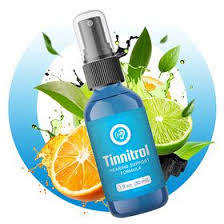
    Featured Tinnitrol sublingual hearing support spray bottle surrounded by fresh citrus fruits

    Tinnitrol Sublingual Hearing Support

    A liquid formula built around the four pathways above — delivered under the tongue rather than swallowed as a capsule.

    • Alpha-GPC, GABA, L-Arginine, L-Tyrosine, Mucuna & Moomiyo
    • Sublingual delivery — 2 sprays morning, 2 sprays evening
    • Produced in a GMP-registered facility · non-GMO
    • 90-day satisfaction guarantee · free shipping on multi-bottle kits
    Check Availability & Official Pricing

    What Readers Report

    ★★★★★

    "Around week three I noticed something strange: I went several minutes without remembering to listen for the sound. That hadn't happened in six years."

    Robert M., 63

    ★★★★★

    "I honestly can't tell you whether it's quieter or whether it just bothers me less. Frankly, I don't care. I'm sleeping again."

    Linda F., 58

    ★★★★★

    "The unexpected part was mental clarity. I assumed that was just age. It was fatigue."

    James T., 71

    Individual testimonials. These are personal experiences and are not typical or guaranteed. Results vary from person to person.

    A Realistic Expectation Timeline

    Anyone promising overnight silence should be treated with suspicion. If you decide to try a nutritional approach, it is worth being honest with yourself about pacing:

    • Days 1–7: usually nothing noticeable. This is a saturation phase.
    • Weeks 2–4: most reports mention sleep and general calm first — not volume.
    • Weeks 4–8: the sound tends to move out of the foreground of attention.
    • Weeks 8–12: this is where the strongest reports appear — which is precisely why the guarantee period runs 90 days.

    Buying one bottle and stopping after twenty days does not give the protocol a fair test. This is the main reason the three-bottle kit is the most commonly selected option.

    What to Consider Before Choosing a Supplement

    Supplements differ enormously in ingredients, dosing, quality control and suitability. Before choosing anything, look for:

    • A fully disclosed ingredient list with clear serving instructions.
    • Manufacturing in a GMP-registered facility.
    • A genuine, documented refund policy with accessible customer support.
    • Honest language — "supports" and "helps maintain", not "cures".

    If you take medication, are pregnant or breastfeeding, have a diagnosed condition, or are preparing for a procedure, speak with a qualified healthcare professional before starting any supplement. Supplements should complement — never replace — a prescribed treatment plan.

    Featured Wellness Option

    You've Already Waited Years. The Window Is 90 Days.

    Tinnitrol is presented as a nutritional supplement option for adults interested in everyday hearing wellness. Review the official product information, full ingredient list, usage guidance, pricing and refund terms before making a decision.

    Visit the Official Tinnitrol Page

    Secure checkout may be available on the official website. This is a sponsored recommendation. Tinnitrol is not intended to diagnose, treat, cure or prevent any disease. Individual experiences vary.

    When Should You Seek Medical Care?

    Contact a healthcare professional if the ringing is persistent, worsening, occurs in only one ear, pulses with your heartbeat, or is accompanied by hearing loss, ear pain, discharge or a sense of fullness.

    Seek urgent medical attention for sudden hearing loss, severe vertigo, loss of coordination, new difficulty speaking, facial weakness, or any severe and unexpected neurological symptom.

    A Practical Next Step

    Start by documenting your pattern. Rule out the reversible contributors — noise exposure, medication side effects, blood pressure, stress and sleep debt — with a qualified professional. Then, if you are also considering a nutritional option, apply the same discipline: read the ingredients, understand the limits, check for interactions and give it a fair evaluation window.

    Learn More

    Review the Official Tinnitrol Details

    Explore the formulation, ingredients, usage instructions, guarantee and current terms on the official page to decide whether this option is relevant to your personal wellness goals.

    See the Official Product Details

    Affiliate link. EmpowerFinds may receive compensation if a reader makes a purchase through this link.

    References

    1. National Institute on Deafness and Other Communication Disorders. Tinnitus — Overview and Statistics. NIH.
    2. Kujawa SG, Liberman MC. Synaptopathy in the noise-exposed and aging cochlea. Hearing Research.
    3. American Tinnitus Association. Understanding the Facts About Tinnitus.
    4. Mayo Clinic. Tinnitus: Symptoms and Causes.
    Learn more about this hearing wellness option View Details
  • Tingling and Numbness in Hands and Feet: Signs That Deserve Attention

    Tingling and Numbness in Hands and Feet: Signs That Deserve Attention

    Peripheral Neuropathy: 10 Signs That Deserve Attention | EmpowerFinds
    Natural Health

    Peripheral Neuropathy: 10 Signs That Deserve Attention

    A science-informed guide to the most commonly reported signs of peripheral nerve discomfort, along with natural strategies that may help support nerve comfort, mobility, and overall quality of life.

    Updated: July 25, 2026 ⏱ 10 min read

    Peripheral neuropathy is a condition that affects the nerves responsible for connecting the brain and spinal cord to the rest of the body. Research suggests its prevalence may reach up to 49% in the general population, and as high as 90% among people with diabetes who are candidates for kidney transplantation. Recognizing early signs is an important step toward seeking appropriate medical guidance.

    According to peer-reviewed studies, peripheral neuropathy is a polymorphic disorder — meaning it can present in many different ways depending on its underlying cause (such as diabetes, nutritional deficiencies, alcohol use, or toxic or compressive factors, among others). Below, we outline ten signs and contributing factors frequently associated with this condition, along with natural strategies that ongoing research has been exploring in relation to nerve comfort. This content is for informational purposes only, does not replace medical evaluation, and individual results may vary.


    1. Tingling or a "Pins and Needles" Sensation

      One of the most commonly reported signs is tingling (paresthesia), which often begins in the feet and may progress toward the hands. Research describes this sensation as a result of altered function in sensory nerve fibers, which send disrupted signals to the brain.

      When persistent, this sign may warrant further investigation, especially in people with a history of diabetes or metabolic syndrome — risk factors well documented in the scientific literature.

    2. Progressive Numbness in Hands and Feet

      Gradual loss of sensation — often described as feeling like "wearing invisible socks or gloves" — is a pattern commonly associated with distal, symmetric peripheral neuropathy, as described in clinical guidelines.

      This sign tends to develop slowly, which is why it is often underestimated in its early stages.

    3. Burning or Shock-Like Discomfort

      Nerve-related discomfort, described as burning, electric-shock-like sensations, or shooting pain, is reported in up to 25% of people with diabetes who develop the painful form of this condition, according to specialized guidelines. It may be more noticeable at night.

      Antioxidant compounds, such as alpha-lipoic acid, have been studied in clinical trials for their potential role in supporting comfort in conditions related to blood sugar balance.

    4. Heightened Sensitivity to Touch

      Allodynia — discomfort triggered by stimuli that would not normally be uncomfortable, such as the touch of a bedsheet — is another sign reported in the literature on peripheral nerve conditions, reflecting changes in how the nerves process sensory input.

      Keeping skin moisturized and minimizing friction on sensitive areas may help with day-to-day management, always alongside professional guidance.

    5. Muscle Weakness and Balance Difficulties

      When motor nerve fibers are also affected, muscle weakness, difficulty climbing stairs, or a sense of instability while walking may occur — signs associated with a higher risk of falls in older adults, according to studies on peripheral nerve conditions.

      Balance exercises, light strength training, and physical therapy are commonly recommended as part of an integrated approach.

    6. Skin and Circulation Changes

      Dry skin, changes in skin color, hair loss on the extremities, or slow-healing wounds may point to involvement of the autonomic nerve fibers, which regulate involuntary functions such as sweating and local blood flow.

      These signs are particularly relevant for people with diabetes, given their association with complications sometimes referred to as "diabetic foot."

    7. Unstable Blood Sugar Levels

      Fluctuating blood sugar is among the most significant modifiable factors linked to the development and progression of peripheral neuropathy, according to diabetes guidelines. Supporting stable glucose levels through balanced nutrition, fiber, protein, and regular physical activity is considered a foundational element of nerve health.

      Consulting a registered dietitian or endocrinologist to personalize dietary choices is a step recommended by clinical guidelines.

    8. Nutritional Gaps (B-Complex Vitamins)

      Vitamins B1 (thiamine), B6 (pyridoxine), and B12 (cobalamin) act as essential cofactors in nerve function. Studies indicate that deficiencies in these vitamins — common with restrictive diets, prolonged use of certain medications, or alcohol consumption — are among the identifiable contributors to nerve-related discomfort.

      Foods such as eggs, dark leafy greens, legumes, poultry, and fortified cereals are good dietary sources. Supplementation should be discussed with a healthcare professional.

    9. Modifiable Risk Factors: Smoking and High Blood Pressure

      Recent scientific reviews highlight that smoking, high blood pressure, and metabolic syndrome act together to contribute to micro- and macrovascular changes, which in turn can affect peripheral nerve health.

      Reducing these risk factors through lifestyle changes is a recommendation frequently found in the preventive medical literature.

    10. Consider a Comprehensive Nutritional Approach for Nerve Support

      For those who prefer a simpler daily routine, a targeted nerve-support supplement may combine several of the nutrients mentioned above into a single daily formula.

      Product Spotlight: Nerve Fresh

      Nerve Fresh is a daily nerve-support supplement formulated with a combination of vitamins, antioxidants, and plant-derived compounds, designed to help support nerve comfort, mobility, and overall well-being.

      It is positioned as a convenient option for adults who want to combine several nerve-supporting nutrients without managing multiple products.

      Learn More About Nerve Fresh →

      This is an affiliate link. We may receive compensation if you make a purchase.

    Looking for a Simpler Daily Routine?

    Nerve Fresh combines several of the research-referenced ingredients mentioned in this article into one easy-to-use formula.

    See How Nerve Fresh Works → 180-day satisfaction guarantee • Made in the USA

    When to Talk to a Doctor

    Medical guidelines recommend seeking professional evaluation whenever the signs described above persist or worsen. A few guiding principles:

    • Don't dismiss persistent symptoms: Tingling, numbness, or discomfort that doesn't improve deserves further investigation.
    • Prioritize early evaluation: Studies show that about half of diabetic neuropathy cases remain asymptomatic for years, making regular screening important.
    • Address underlying conditions: Diabetes, high blood pressure, and nutritional deficiencies should be managed under medical supervision.
    • Be patient: Dietary and lifestyle changes often take 8 to 12 weeks before noticeable effects are observed.

    Frequently Asked Questions

    What is peripheral neuropathy?
    It's a condition affecting the peripheral nerves, which connect the central nervous system to the rest of the body. It can have various causes, including diabetes, nutritional deficiencies, alcohol use, and toxic or compressive factors.
    What does "nerve-support supplement" mean?
    It refers to a dietary supplement containing ingredients traditionally used or studied for their potential role in nerve health, comfort, and function. These products are not medications and are not intended to diagnose, treat, cure, or prevent any disease.
    Does this content replace a medical consultation?
    No. This article is intended for informational purposes only and does not replace professional medical advice, diagnosis, or treatment. Always consult a qualified healthcare professional.

    Disclosures and Policies

    Advertising / Sponsored Content Notice

    This page contains sponsored content. EmpowerFinds has partnered with third-party brands and may receive compensation when readers click affiliate links or make purchases. The presence of sponsored content does not affect our commitment to accuracy and transparency.

    Affiliate Disclosure

    EmpowerFinds participates in affiliate marketing programs. Some links on this page — including those pointing to Nerve Fresh — are affiliate links. If you click an affiliate link and make a purchase, we may earn a commission at no additional cost to you. Our editorial opinions remain independent.

    Medical Disclaimer

    The information provided on this website is for general informational and educational purposes only and does not replace professional medical advice, diagnosis, or treatment. Always consult your physician or another qualified healthcare provider with any questions regarding a medical condition, and before starting any new supplement, diet, or exercise program.

    • Individual results may vary.
    • Statements regarding dietary supplements have not been evaluated by the FDA.
    • Products mentioned are not intended to diagnose, treat, cure, or prevent any disease or health condition.
    • Never disregard professional medical advice or delay seeking it because of information read on this site.

    Research Transparency

    This article references publicly available scientific research and information on traditional use. It has not undergone review by licensed healthcare professionals or formal peer review. Cited studies have been summarized for general understanding and should not be interpreted as definitive clinical guidance.

    References

    1. Brazilian Diabetes Society. Diagnosis and Treatment of Diabetic Peripheral Neuropathy. Clinical Guidelines, 2025 ed. DOI: 10.29327/557753.2022-14.
    2. Silva, K.L.L. Peripheral Neuropathy: Examining the Relationship with Modifiable Risk Factors (Smoking, Diabetes, Hypertension, Metabolic Syndrome). Revista FT, 2025. DOI: 10.69849/revistaft/th10202502281506.
    3. Lima, L.T.V. et al. Differential Diagnosis of Peripheral Neuropathies. Revista FT, 2025. DOI: 10.69849/revistaft/cl10202503081428.
    4. Pedrosa, G.A. et al. Pathophysiology-Based Diagnosis of Peripheral Neuropathy for Effective Treatment: An Integrative Review. Caderno Pedagógico, 2024. DOI: 10.54033/cadpedv21n13-462.
    5. Nerve Fresh product formulation and label information.

  • Tingling in the Feet: What Might Be Behind

    Tingling in the Feet: What Might Be Behind

    Tingling in the Feet: Possible Causes and Questions to Ask
    Sponsored Content — This article may contain affiliate links. EmpowerFinds may earn a commission at no additional cost to you.

    Nerve Health

    Tingling in the Feet: Possible Causes and Questions to Ask

    The “pins and needles” sensation can have several possible explanations. This practical, research-informed guide explores common factors and questions to discuss with a qualified healthcare professional.

    EmpowerFinds Wellness Editorial Updated July 2026 10-minute read

    Readers exploring everyday nerve wellness may also want to review nutritional support options and their ingredients before making a personal decision.

    Review the Featured Option

    Understanding Occasional Foot Tingling

    General educational information — not a diagnosis or substitute for medical advice.

    Educational illustration. Individual symptoms may have different causes.
    Important: Occasional tingling after sitting in one position may be temporary. Recurring, worsening, painful, or persistent sensations deserve attention — especially if you have diabetes, a history of nutritional deficiency, or another ongoing health condition.

    Tingling in the feet is often described as pins and needles, prickling, burning, or a mild electric sensation. In some cases, it happens briefly after pressure is placed on a nerve. In other cases, recurring sensations may be associated with nerve irritation, blood sugar concerns, nutrient status, medication effects, or other health factors.

    The sensation itself does not identify the cause. It can be useful to consider the broader pattern: when it began, whether it is changing, whether it affects one foot or both, and whether it occurs alongside numbness, weakness, pain, balance changes, or skin injuries.

    What Might Cause Tingling in the Feet?

    1. Temporary pressure on a nerve

    Sitting with your legs crossed, kneeling for a long time, or wearing footwear that places pressure on the foot can temporarily affect nerve signaling. The sensation may improve after changing position and allowing normal movement to return.

    2. Blood sugar-related nerve concerns

    Persistently elevated blood sugar can affect nerves and the small blood vessels that support them. People with diabetes may experience sensations such as tingling, burning, reduced sensitivity, or numbness, commonly beginning in the toes and feet.

    If you have diabetes or may be at risk of developing it, regular medical monitoring and following your healthcare professional’s recommendations are important parts of long-term health management.

    3. Vitamin or nutrient deficiencies

    Certain nutrients, including vitamin B12, are involved in normal nerve function. A deficiency may be associated with neurological symptoms in some people. Testing is generally more useful than guessing, especially because high doses of certain supplements may also create risks when used without appropriate guidance.

    4. Nerve compression or irritation

    Nerves can sometimes become irritated or compressed in areas such as the lower back, hip, leg, ankle, or foot. The pattern may be limited to one side or may follow a particular path. A clinician can help determine whether further evaluation is appropriate.

    5. Medication, alcohol, or other health factors

    Some medications, regular heavy alcohol use, injuries, thyroid conditions, kidney concerns, and other medical factors may be relevant. This is one reason persistent symptoms should not automatically be attributed to a single cause.

    Interested in learning more about a nutritional option for everyday nerve wellness?

    Explore the Official Information

    A useful way to track symptoms

    Before speaking with a healthcare professional, consider noting the location, duration, intensity, possible triggers, and any related symptoms. This information may make the conversation more productive.

    • Does the sensation affect one foot or both?
    • Does it happen during the day, at night, or after activity?
    • Is there pain, weakness, numbness, swelling, or a balance change?
    • Have there been recent medication, diet, or lifestyle changes?

    Questions Worth Discussing With a Healthcare Professional

    Persistent tingling is a symptom, not a diagnosis. Depending on your history, a qualified professional may discuss blood sugar, vitamin status, medications, circulation, nerve compression, and other potential explanations.

    You may also want to ask whether a supplement is appropriate for your circumstances, whether it could interact with medication, and when it would be reasonable to reassess your symptoms.

    Everyday Habits That May Support Nerve Comfort

    Lifestyle habits cannot guarantee a particular outcome, but they may be part of a broader wellness routine. Consider discussing the following with your healthcare provider:

    • Keeping regular medical appointments and recommended screenings.
    • Following an eating pattern that supports overall metabolic health.
    • Staying physically active within your personal abilities and medical guidance.
    • Choosing comfortable footwear and checking your feet regularly.
    • Avoiding smoking and moderating alcohol consumption.
    • Following prescribed treatment plans rather than replacing them with supplements.

    What to Consider Before Choosing a Supplement

    Some people explore nutritional products as part of a broader approach to everyday nerve wellness. However, supplements vary widely in their ingredients, quality, dosage, and suitability for different individuals.

    Look for clear ingredient information, transparent serving instructions, appropriate manufacturing standards, and a seller that provides accessible customer support. If you take medication, are pregnant or breastfeeding, have a diagnosed condition, or are preparing for a procedure, speak with a qualified healthcare professional before using a supplement.

    Featured Wellness Option

    Want to Learn More About Nerve Fresh?

    Nerve Fresh is presented as a nutritional supplement option for adults interested in learning more about everyday nerve wellness. Review the official product information, ingredients, usage guidance, and applicable terms before making a decision.

    Visit the Official Nerve Fresh Page

    Secure checkout may be available on the official website. This is a sponsored recommendation. Nerve Fresh is not intended to diagnose, treat, cure, or prevent any disease. Individual experiences vary.

    When Should You Seek Medical Care?

    Contact a healthcare professional if tingling is persistent, recurrent, worsening, painful, or accompanied by numbness, weakness, balance problems, or an unexplained change in sensation.

    Seek urgent medical attention for sudden weakness or numbness — particularly on one side of the body — new difficulty speaking, severe dizziness, loss of coordination, chest pain, or other severe and unexpected symptoms.

    A Practical Next Step

    Foot tingling can be temporary, but recurring symptoms deserve thoughtful attention. Start by tracking the pattern, reviewing possible contributing factors, and discussing appropriate next steps with a qualified healthcare professional.

    If you are also considering a supplement, use the same careful approach: review the ingredients, understand the limitations, check for possible interactions, and make an informed decision based on your own circumstances.

    Learn More

    Review the Official Nerve Fresh Details

    Explore the product information, ingredients, usage instructions, and current terms on the official page to determine whether this option is relevant to your personal wellness goals.

    See the Official Product Details

    Affiliate link. EmpowerFinds may receive compensation if a reader makes a purchase through this link.

    Learn more about this wellness option View Details
  • Approaches nerve comfort 2026

    Approaches nerve comfort 2026

    10 Natural Approaches That Support Nerve Comfort and Wellness | EmpowerFinds
    Natural Wellness

    10 Natural Approaches That Support Nerve Comfort and Everyday Wellness

    Research-based lifestyle and nutritional strategies for people who want to feel more steady, mobile, and at ease in their daily routines.

    Updated: July 24, 2026 ⏱ 9 min read

    Millions of adults notice occasional tingling, stiffness, or discomfort in their hands and feet — especially after 50. While these sensations can have many causes, certain nutrients, habits, and lifestyle choices are being studied for their role in supporting nerve health and everyday comfort.

    This guide walks through ten practical approaches that researchers and integrative health practitioners often discuss when it comes to nerve wellness. None of them replace medical care, and individual results vary. Think of this as a starting point for a conversation with your healthcare provider — and a practical resource if you're looking for gentle, natural-minded strategies.


    1. Focus on B-Complex Vitamins (Especially B1, B6, and B12)

      B-vitamins serve as cofactors in nerve function. Thiamine (B1), pyridoxine (B6), and methylcobalamin (B12) are frequently highlighted in studies looking at people with occasional nerve discomfort.

      Foods rich in B-vitamins include eggs, leafy greens, legumes, poultry, and fortified grains. If dietary intake is inconsistent, a methylated B-complex supplement may be worth discussing with a healthcare provider.

    2. Consider Alpha-Lipoic Acid (ALA)

      Alpha-lipoic acid is a sulfur-containing antioxidant that has been explored in several clinical studies for its potential to support people experiencing occasional nerve discomfort, particularly when related to blood sugar balance.

      It's naturally found in small amounts in foods like spinach, broccoli, and organ meats, though supplemental doses used in research are typically higher. Always discuss dosing with a professional before adding it to your routine.

    3. Explore Acetyl-L-Carnitine

      Acetyl-L-carnitine (ALCAR) is an amino acid derivative involved in cellular energy production. Some research suggests it may support nerve comfort and quality of life in older adults.

      Good dietary sources include meat, poultry, fish, and dairy products. As a supplement, it's often taken in divided doses throughout the day.

    4. Don't Overlook Magnesium

      Magnesium plays a role in muscle relaxation, sleep quality, and nerve signaling. Low magnesium levels are common in adults over 50 and may contribute to feelings of tension or restlessness in the legs and feet.

      Magnesium glycinate and citrate are generally well-absorbed forms. Food sources include pumpkin seeds, almonds, dark chocolate, avocados, and leafy greens.

    5. Omega-3 Fatty Acids for Nerve Membrane Support

      Omega-3s — particularly EPA and DHA from fatty fish — help maintain healthy cell membranes, including those surrounding nerve cells. Some observational studies link higher omega-3 intake with better markers of nerve and vascular health.

      Wild-caught salmon, sardines, mackerel, walnuts, and algae-based supplements are all practical options.

    6. Warm Baths, Movement, and Massage

      Gentle warmth, stretching, walking, and self-massage can improve circulation and help muscles relax around sensitive nerves. These practices don't replace medical treatment, but many people find them soothing.

      A warm Epsom salt bath before bed, a 15-minute walk after lunch, or light foot rolling can be easy habits to test.

    7. Manage Blood Sugar Steadily

      Fluctuating blood sugar is one of the most common factors associated with nerve discomfort over time. Keeping glucose levels stable through balanced meals, fiber, protein, and regular movement is considered foundational for nerve wellness.

      Consider working with a nutritionist or physician to personalize a blood-sugar-friendly eating pattern.

    8. Prioritize Sleep and Stress Recovery

      Poor sleep and chronic stress can amplify sensations of discomfort and reduce your body's ability to recover. A consistent bedtime, limited late-day caffeine, and simple breathing practices before sleep may help.

      Even 10 minutes of guided meditation or journaling can support the nervous system's recovery process.

    9. Try a Topical Approach Like Capsaicin Cream

      Capsaicin, the compound that gives chili peppers their heat, has been studied in topical creams for temporary relief of occasional discomfort. It works by affecting how nerves transmit signals locally.

      If trying capsaicin cream, wash hands thoroughly after application and avoid contact with eyes or sensitive skin.

    10. Look for a Comprehensive Nerve Support Formula

      For people who prefer a simpler, all-in-one option, a targeted nerve support supplement can combine several of the ingredients above into a single daily routine.

      Product Spotlight: Nerve Fresh

      Nerve Fresh is a daily nerve support supplement formulated with a blend of vitamins, antioxidants, and plant-based compounds designed to support nerve comfort, mobility, and overall wellness.

      It's positioned as a convenient option for adults who want to combine several nerve-supporting nutrients without managing multiple bottles.

      Learn More About Nerve Fresh →

      This is an affiliate link. We may receive compensation if you make a purchase.

    Want a Simpler Daily Routine?

    Nerve Fresh combines several of the science-supported ingredients mentioned in this article into one easy-to-take formula.

    See How Nerve Fresh Works → 180-day satisfaction guarantee • Made in the USA

    How to Choose the Right Approach for You

    The best strategy depends on your current health status, medications, and lifestyle. A few guiding principles:

    • Start with food first: A nutrient-dense diet covers many nerve-support bases.
    • Add one supplement at a time: This makes it easier to notice what helps.
    • Talk to your doctor: Especially if you take medications or have a diagnosed condition.
    • Be patient: Nutritional and lifestyle changes often take 8–12 weeks to show meaningful effects.

    Frequently Asked Questions

    What does "nerve support supplement" mean?
    It refers to a dietary supplement containing ingredients traditionally used or studied for their role in nerve health, comfort, and function. These products are not medications and are not intended to diagnose, treat, cure, or prevent any disease.
    How long before I notice results?
    Most people report noticing changes after 4–8 weeks of consistent use, though individual results vary based on diet, lifestyle, age, and overall health.
    Is this content medical advice?
    No. This article is for informational purposes only and does not replace professional medical advice, diagnosis, or treatment. Always consult a qualified healthcare provider.

    Disclosures & Policies

    Advertisement / Sponsored Content Notice

    This page is sponsored content. EmpowerFinds has partnered with third-party brands and may receive compensation when readers click on affiliate links or make purchases. The presence of sponsored content does not influence our commitment to accuracy and transparency.

    Affiliate Disclosure

    EmpowerFinds participates in affiliate marketing programs. Some links on this page — including those pointing to Nerve Fresh — are affiliate links. If you click on an affiliate link and make a purchase, we may earn a commission at no additional cost to you. Our editorial opinions remain independent.

    Medical Disclaimer

    The information provided on this website is for general informational and educational purposes only and is not a substitute for professional medical advice, diagnosis, or treatment. Always seek the advice of your physician or other qualified health provider with any questions you may have regarding a medical condition or before beginning any new supplement, diet, exercise, or health program.

    • Individual results may vary.
    • Statements regarding dietary supplements have not been evaluated by the Food and Drug Administration (FDA).
    • Products mentioned are not intended to diagnose, treat, cure, or prevent any disease or health condition.
    • Never disregard professional medical advice or delay seeking it because of information you read on this website.

    Transparency in Research

    This article references publicly available scientific research and traditional use information. It has not been reviewed by licensed healthcare professionals and does not undergo formal peer review. Studies cited are summarized for general understanding and should not be interpreted as definitive clinical guidance.

    References

    1. National Institute of Neurological Disorders and Stroke — Peripheral Neuropathy Fact Sheet.
    2. Ziegler, D. et al. (2006). Oral Treatment with Alpha-Lipoic Acid. Diabetes Care.
    3. Head, K.A. (2006). Peripheral neuropathy: pathogenic mechanisms and alternative therapies. Altern Med Rev.
    4. API Rev Nerv Fresh product formulation and label information.

  • Nerve Fresh Review 2026: Ingredients, Pricing & Does It Really Work?

    Nerve Fresh Review 2026: Ingredients, Pricing & Does It Really Work?

    Nerve Fresh Review: Is It Worth $49 Per Bottle? A Complete 2025 Breakdown

    If you've been searching for relief from nerve discomfort — tingling, burning, numbness, or that unsettling "pins and needles" sensation — you've likely come across Nerve Fresh. The supplement has been gaining attention online, with bold claims about natural ingredients targeting the root causes of nerve issues.

    But here's the question most people are asking: Does Nerve Fresh actually work, or is it just another overhyped supplement?

    At $49 per bottle, it's not the cheapest option on the market. So before you click "buy," it's worth taking a closer look at what's inside, what the science says, and whether the price justifies the potential benefits.

    This review breaks down everything — the ingredients, the pricing structure, the comparisons with alternatives, and the honest pros and cons — so you can make an informed decision.

    ⚕️ Medical Disclaimer: This article is for informational purposes only and does not constitute medical advice. The content has not been evaluated by the FDA. Always consult a qualified healthcare professional before starting any supplement, especially if you have a diagnosed condition, are pregnant, nursing, or taking medication.

    What Is Nerve Fresh?

    Nerve Fresh is a dietary supplement formulated to support nerve health and comfort. It comes in capsule form and contains a blend of six plant-based ingredients, each selected for their traditional use and emerging scientific evidence in supporting the nervous system.

    Unlike many nerve supplements that focus only on symptom masking, Nerve Fresh's formulation targets a specific biological pathway: the activity of an enzyme called MMP-13, which research suggests plays a role in nerve fiber damage and chronic discomfort.

    The product is manufactured in an FDA-registered and GMP-certified facility in the United States, and it comes with a 60-day money-back guarantee, which is notably longer than the industry standard of 30 days.

    Nerve Fresh Ingredients: What's Actually Inside?

    Before evaluating whether the supplement works, it's essential to examine the formula. Here are the six key ingredients and what research says about each:

    1. Prickly Pear (Opuntia ficus-indica)

    Prickly pear is a cactus species rich in antioxidants, flavonoids, and polyphenols. Studies have shown that it possesses anti-inflammatory properties that may help reduce oxidative stress — a known contributor to nerve damage. A 2019 study published in the Journal of Ethnopharmacology found that prickly pear extract significantly reduced inflammatory markers in animal models.

    2. Passionflower (Passiflora incarnata)

    Passionflower has been used for centuries as a natural calming agent. Research suggests it may increase GABA levels in the brain, which helps reduce neuronal excitability and promotes relaxation. A clinical trial published in the Journal of Clinical Pharmacy and Therapeutics demonstrated its effectiveness in reducing anxiety — a common companion of chronic nerve discomfort.

    3. Marshmallow Root (Althaea officinalis)

    Marshmallow root contains mucilage, a gel-like substance that has soothing and anti-inflammatory effects. While most commonly associated with digestive health, its demulcent properties may also help calm irritated nerve tissues.

    4. Corydalis Yanhusuo

    This is perhaps the most compelling ingredient in the formula. Corydalis has been used in Traditional Chinese Medicine for over 1,000 years as a natural analgesic. Modern research has identified dehydrocorydaline (DHC) as its active compound, which interacts with neurotransmitter receptors to modulate pain signaling. A 2018 study in Phytomedicine confirmed its effectiveness in reducing neuropathic pain in animal models.

    5. California Poppy (Eschscholzia californica)

    California poppy is a gentle, non-addictive herb traditionally used to promote restful sleep and ease nervous tension. Unlike pharmaceutical sedatives, it doesn't cause dependency or significant side effects. Research published in the Journal of Ethnopharmacology has shown its mild anxiolytic and analgesic properties.

    6. The MMP-13 Connection

    What sets Nerve Fresh apart from generic nerve supplements is its focus on MMP-13 (Matrix Metalloproteinase-13), an enzyme that research has linked to the degradation of nerve tissue. By targeting this enzyme with a combination of anti-inflammatory and neuroprotective botanicals, the formula aims to address nerve discomfort at a deeper level than simple symptom relief.

    Note: For a deeper scientific breakdown of how MMP-13, COX-2, and PGE-2 interact in nerve damage, check out our detailed guide on The Enzyme Triad Behind Neuropathy.

    Does Nerve Fresh Work? What the Evidence Shows

    This is the million-dollar question — and the honest answer is: it depends on your expectations and your condition.

    What the Ingredients Suggest

    Each individual ingredient in Nerve Fresh has some level of scientific backing for its role in nerve support, pain modulation, or inflammation reduction. Corydalis, in particular, has robust evidence as a natural analgesic. Passionflower and California Poppy are well-documented for their calming effects on the nervous system.

    What's Missing

    However, there are important caveats:

    • No published clinical trials on the complete formula. While individual ingredients have research support, there are no peer-reviewed studies testing the specific combination found in Nerve Fresh.
    • Results vary by individual. Factors like the severity of nerve damage, underlying causes (diabetes, vitamin deficiency, injury), and overall health status all influence outcomes.
    • It's not a replacement for medical treatment. If you have diagnosed neuropathy, this supplement should complement — not replace — your doctor's recommendations.

    What User Feedback Indicates

    Based on customer testimonials and reviews available online, many users report:

    • Reduced tingling and numbness after 4-6 weeks of consistent use
    • Improved sleep quality (likely due to Passionflower and California Poppy)
    • A general sense of calm and reduced nerve-related discomfort
    • Some users report no noticeable effects, particularly those with advanced neuropathy

    Most negative reviews stem from unrealistic expectations (expecting overnight results) or insufficient duration of use (less than 30 days).

    Nerve Fresh Pricing Breakdown: Which Package Makes Sense?

    Here's where the value proposition becomes clear. Nerve Fresh offers three purchasing options:

    Package Price/Bottle Total Cost Supply Savings
    1 Bottle $49 $49 30 days None
    3 Bottles $39 $117 90 days $30 (10%)
    6 Bottles $34 $204 180 days $90 (31%)

    Which Option Should You Choose?

    Single bottle ($49): Best for testing the product. If you're skeptical, this is a low-risk way to see how your body responds. Remember, the 60-day guarantee means you can return it even after finishing the bottle.

    Three bottles ($117): The most popular option. It gives you enough time to experience the full benefits, since most nerve supplements require 60-90 days of consistent use to show meaningful results.

    Six bottles ($204): The best value per bottle at $34. Ideal if you've already tried the product and want to commit to long-term nerve support.

    Nerve Fresh vs. Other Nerve Supplements

    Feature Nerve Fresh Nervive Alpha-Lipoic Acid Gabapentin (Rx)
    Type Multi-botanical Apigenin-based Single antioxidant Pharmaceutical
    Price/month $34-49 $30-40 $15-30 $10-200
    Side effects Minimal reported Mild headache GI discomfort Drowsiness, dizziness
    Guarantee 60 days 30 days Varies N/A
    Natural ✅ Yes Partially ✅ Yes ❌ No

    Is Nerve Fresh a Scam? Separating Fact from Fiction

    ❌ "It's not FDA-approved"
    Reality: Dietary supplements are not required to be FDA-approved before sale. However, Nerve Fresh is manufactured in an FDA-registered facility that follows Good Manufacturing Practices (GMP).

    ❌ "There are no clinical trials"
    Reality: This is true — but it's also true for the vast majority of supplements on the market. The individual ingredients do have scientific support.

    ❌ "The claims are exaggerated"
    Reality: Some affiliate marketers and promotional pages do overstate benefits. The product itself doesn't claim to "cure" neuropathy — it positions itself as a nerve health support supplement.

    ✅ What's Legitimate: Real ingredients with documented properties, transparent labeling, a 180-day money-back guarantee, manufactured in a certified US facility, and no reported serious adverse effects in user reviews.

    Bottom line: Nerve Fresh is not a scam. However, it's also not a miracle cure. It's a legitimate supplement with a thoughtful formula that may help many people — but individual results will vary.

    Pros and Cons: An Honest Assessment

    ✅ Pros

    • Multi-target formula
    • Natural, plant-based ingredients
    • 60-day money-back guarantee
    • No serious side effects reported
    • Made in the USA (GMP-certified)
    • Competitive pricing in bulk

    ❌ Cons

    • No clinical trials on full formula
    • Results take 4-8 weeks
    • Not for everyone (consult MD)
    • Online purchase only
    • Some marketing overstates benefits

    Who Should Consider Nerve Fresh?

    ✅ It May Be a Good Fit If You:

    • Experience occasional tingling, numbness, or burning in hands or feet
    • Are looking for a natural alternative to pharmaceutical nerve medications
    • Want a multi-ingredient formula rather than single-nutrient supplements
    • Prefer products with a strong money-back guarantee
    • Are willing to commit to at least 60-90 days of consistent use

    ❌ It May Not Be Right If You:

    • Have been diagnosed with severe neuropathy and are under medical treatment
    • Expect immediate, overnight results
    • Are pregnant, nursing, or under 18
    • Are looking for a substitute for prescribed medication without medical guidance

    Final Verdict: Is Nerve Fresh Worth $49?

    After reviewing the ingredients, the pricing, the user feedback, and the scientific context, here's our assessment:

    Nerve Fresh is a well-formulated nerve support supplement that offers genuine value — particularly at the 3-bottle ($39/bottle) or 6-bottle ($34/bottle) price points.

    It's not a miracle cure, and it won't work for everyone. But for people dealing with mild to moderate nerve discomfort who want a natural, multi-target approach, it represents a reasonable investment with low risk — especially given the 60-day guarantee.

    Our recommendation: If you're curious, start with the 3-bottle package. It gives you 90 days to evaluate results, brings the per-bottle cost down to $39, and aligns with the typical timeframe needed for nerve supplements to show meaningful effects.

    📬 Get the Full Nerve Fresh Buyer's Guide

    Enter your email to receive our complete buyer's guide, exclusive discount links, and weekly nerve health tips — free.

    Frequently Asked Questions

    How long does it take for Nerve Fresh to work?

    Most users report noticing initial benefits within 2-4 weeks, with more significant improvements after 60-90 days of consistent use. Nerve tissue heals slowly, so patience is essential.

    Are there any side effects?

    Nerve Fresh is made from natural plant-based ingredients, and no serious side effects have been widely reported. Some users may experience mild digestive discomfort during the first few days. If you're taking medications, consult your healthcare provider before starting any new supplement.

    Can I take Nerve Fresh with other supplements?

    Generally, yes — but it's always wise to check with your doctor or pharmacist, especially if you're taking prescription medications for nerve pain, blood thinners, or sedatives.

    What if it doesn't work for me?

    Nerve Fresh comes with a 60-day money-back guarantee. If you're not satisfied, you can request a full refund — even if you've used the entire bottle.

    Where can I buy Nerve Fresh?

    Nerve Fresh is available exclusively through its official website. Purchasing directly from the manufacturer ensures you receive the authentic product with the full guarantee. Be cautious of third-party sellers on Amazon or eBay, as authenticity cannot be guaranteed.

    Is Nerve Fresh suitable for diabetics?

    Many people with diabetic neuropathy use Nerve Fresh. However, because diabetes is a complex condition, consult your endocrinologist or primary care physician before adding any new supplement to your routine.

    Affiliate Disclosure: This site contains affiliate links. If you purchase a product through our links, we may earn a commission at no additional cost to you. This helps support our research and editorial work. All opinions are our own, and we only recommend products we have thoroughly reviewed.

    Inscrever

    * indica obrigatório

    Intuit Mailchimp